

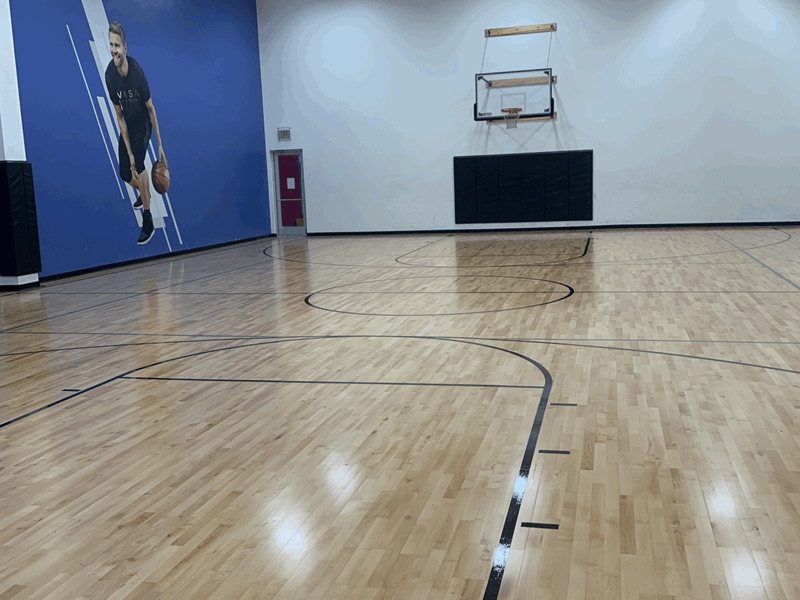
The world of sports wood flooring is constantly evolving, with new technologies and innovations emerging that promise to enhance performance, safety, and sustainability. From advanced materials to cutting-edge construction techniques, these innovations are transforming the way we think about sports flooring.
One of the most exciting innovations in sports wood flooring technology is the use of composite materials. These materials combine wood fibers with other substances such as plastic or rubber to create a floor that offers the best of both worlds: the natural beauty and warmth of wood with the durability and resilience of synthetic materials. Composite sports floors are resistant to moisture, wear, and impact, making them ideal for high-traffic areas and facilities that require a low-maintenance solution.
Another innovation is the development of shock-absorbing underlayments. These underlayments are installed beneath the wood panels to provide additional cushioning and shock absorption, reducing the risk of injuries and improving athlete comfort. Some underlayments are even adjustable, allowing facility managers to customize the level of shock absorption based on the specific needs of their athletes and sports.
Advancements in finishing technologies are also transforming sports wood flooring. New finishes are more durable, scratch-resistant, and easier to maintain than traditional finishes, extending the lifespan of the floor and reducing the need for frequent refinishing. Additionally, some finishes offer enhanced traction and slip resistance, improving athlete safety and performance.
Sustainability is another key area of innovation in sports wood flooring. Manufacturers are increasingly using responsibly sourced wood and eco-friendly materials in their products, reducing the environmental impact of sports flooring production and installation. Additionally, some companies are developing recycling programs that allow old sports floors to be repurposed or recycled into new products, further reducing waste and promoting sustainability.
Finally, smart technology is making its way into sports wood flooring. Some manufacturers are incorporating sensors and monitoring systems into their floors to track usage patterns, detect damage or wear, and provide real-time feedback on performance and safety. This data can be used to optimize maintenance schedules, improve athlete training programs, and enhance the overall experience for athletes and spectators.
In conclusion, innovations in sports wood flooring technology are transforming the industry, offering enhanced performance, safety, and sustainability. From composite materials and shock-absorbing underlayments to advanced finishes and smart technology, these innovations are paving the way for a new era of sports flooring that meets the evolving needs of athletes and facilities alike.
Leave a Reply