

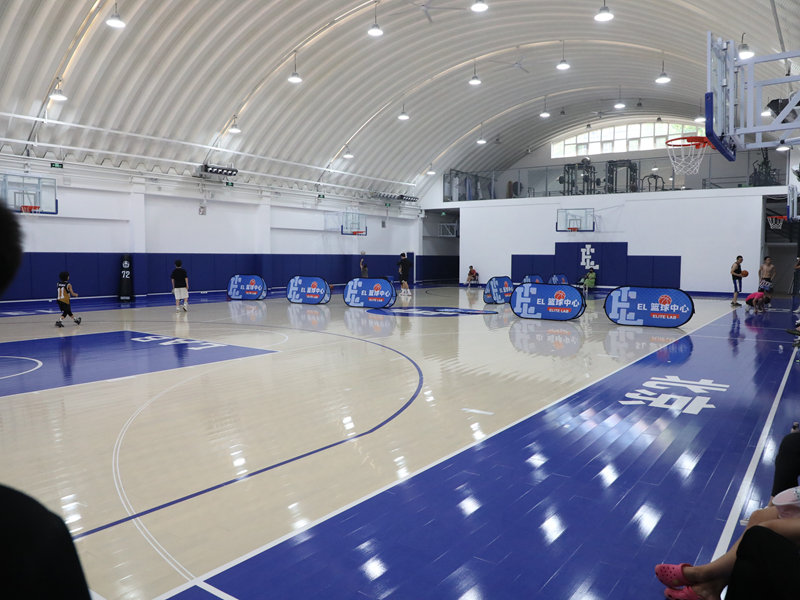
The field of indoor sports wood flooring has witnessed significant technological innovations in recent years, aimed at improving performance, safety, durability, and sustainability. These innovations have transformed the way sports facilities are designed and equipped, providing athletes with better playing surfaces and facility owners with more cost - effective and environmentally friendly options.
One of the most notable innovations is the development of advanced shock - absorbing systems. Traditional shock - absorbing layers in wood flooring were often limited in their ability to provide consistent impact reduction across the entire floor surface. However, new technologies have introduced more sophisticated shock - absorbing materials and designs. For example, some flooring systems now use multi - density foam or rubber pads that can be customized to provide different levels of shock absorption in different areas of the floor. This is particularly useful in sports facilities where different sports are played, as each sport may have unique impact requirements.
Another innovation is the use of engineered wood in indoor sports flooring. Engineered wood is made by bonding multiple layers of wood together, with each layer oriented in a different direction. This construction method gives engineered wood greater stability and resistance to warping and cracking compared to solid wood. It also allows for more precise control over the wood's properties, such as its hardness and resilience. Engineered wood flooring can be designed to meet the specific performance requirements of different sports, providing a high - quality playing surface that is more durable and consistent than traditional solid wood flooring.
Advancements in flooring finishes have also had a significant impact on indoor sports wood flooring. New finishes are not only more durable and resistant to scratches and stains but also offer improved traction and safety. Some finishes are formulated to provide a non - slip surface that maintains its traction even when wet, reducing the risk of slips and falls. Additionally, these finishes are often low - VOC or zero - VOC, making them more environmentally friendly and healthier for athletes and facility users.
Smart flooring technology is another emerging innovation in the field of indoor sports wood flooring. Smart flooring systems can incorporate sensors that monitor various parameters, such as the impact force of jumps, the movement patterns of athletes, and the condition of the floor itself. This data can be used to optimize training programs, prevent injuries, and schedule maintenance activities. For example, if the sensors detect excessive impact forces in a particular area of the floor, it may indicate that the shock - absorbing layer needs to be replaced or that athletes are using improper techniques. Smart flooring can also provide real - time feedback to athletes, helping them improve their performance and reduce the risk of injuries.
In terms of sustainability, innovations in material recycling and reuse have also been introduced. Some manufacturers are developing processes to recycle old wood flooring into new products, reducing the need for virgin wood and minimizing waste. Additionally, new bio - based materials are being explored as alternatives to traditional wood and synthetic materials, offering a more sustainable option for indoor sports flooring.
In conclusion, the continuous innovations in indoor sports wood flooring technology are driving the industry forward, providing athletes with better playing surfaces, facility owners with more cost - effective and sustainable options, and contributing to the overall improvement of indoor sports environments. As technology continues to advance, we can expect to see even more exciting developments in this field in the future.
Leave a Reply