

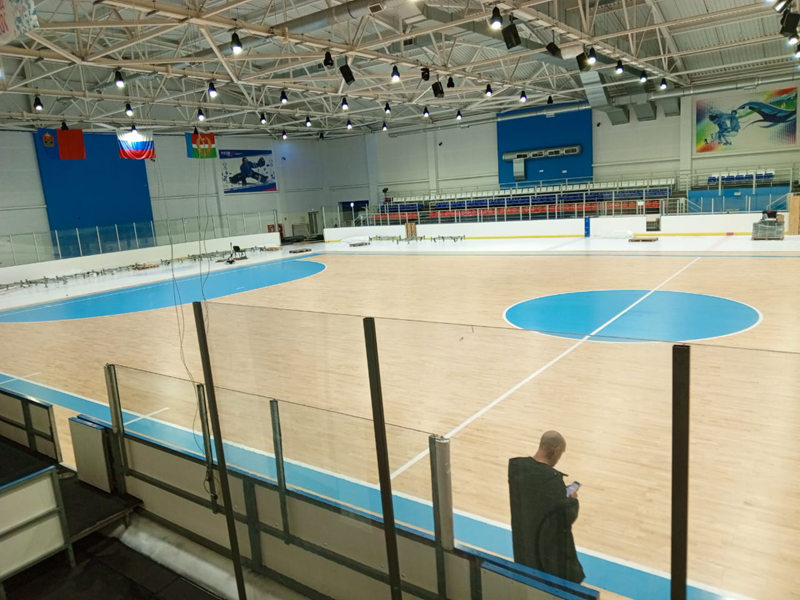
In an era where sustainability is becoming increasingly important, indoor sports wood flooring offers a viable and eco-friendly option for athletic facilities. This article explores the sustainability aspects of indoor sports wood flooring, highlighting its environmental benefits and lifecycle considerations.
Environmental Benefits
Indoor sports wood flooring is made from renewable resources, primarily hardwoods such as maple, oak, and beech. These woods are harvested from sustainably managed forests, where trees are replanted to replace those that are cut down. This ensures a continuous supply of wood without depleting natural resources. Additionally, wood flooring has a lower carbon footprint compared to synthetic alternatives, as it requires less energy to produce and transport.
Lifecycle Considerations
The lifecycle of indoor sports wood flooring is another factor that contributes to its sustainability. Wood floors can last for decades with proper maintenance, reducing the need for frequent replacements. At the end of their lifespan, wood floors can be recycled or repurposed into other products, such as furniture or mulch, further extending their useful life. In contrast, synthetic flooring materials often end up in landfills, where they can take hundreds of years to decompose.
Energy Efficiency
Indoor sports wood flooring also contributes to energy efficiency in athletic facilities. Wood is a natural insulator, helping to regulate indoor temperatures and reduce heating and cooling costs. Additionally, the smooth surface of wood flooring allows for efficient air circulation, which can improve indoor air quality and reduce the need for mechanical ventilation.
Sustainable Practices in Production
Many manufacturers of indoor sports wood flooring are adopting sustainable practices in their production processes. This includes using low-VOC (volatile organic compound) finishes and adhesives, which reduce indoor air pollution and improve the health and safety of athletes and staff. Additionally, some manufacturers are investing in renewable energy sources, such as solar or wind power, to power their production facilities, further reducing their environmental impact.
Leave a Reply