

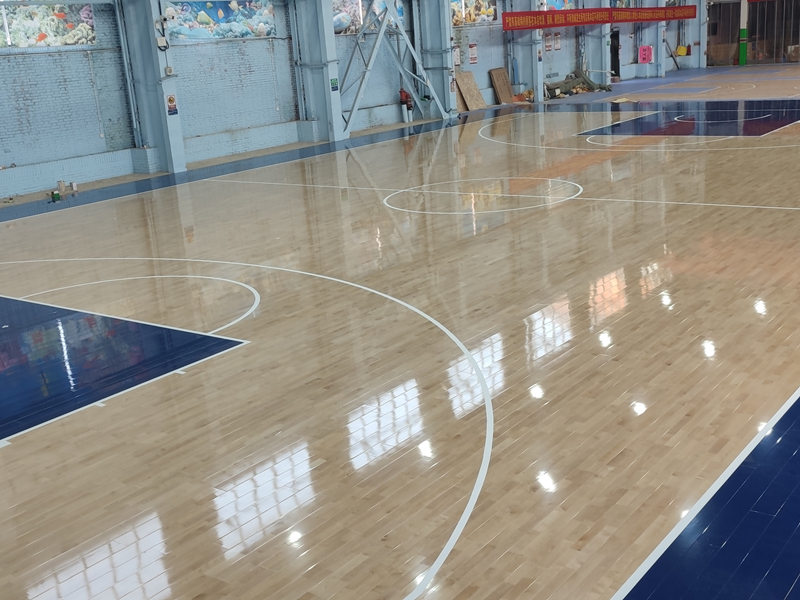
In today's world, where environmental sustainability is a growing concern, it is essential to consider the environmental impact of indoor sports wood flooring. From the sourcing of materials to the manufacturing process and end - of - life disposal, every stage of the flooring's lifecycle can have implications for the environment.
The sourcing of wood is a critical environmental consideration. It is important to choose wood that comes from sustainably managed forests. Sustainable forest management involves practices that ensure the long - term health and productivity of forests while minimizing negative impacts on the environment. This includes replanting trees to replace those that are harvested, protecting biodiversity, and maintaining soil and water quality. By selecting wood from certified sustainable sources, such as those certified by the Forest Stewardship Council (FSC), sports facility owners can help promote responsible forest management and reduce the risk of deforestation and habitat destruction.
The manufacturing process of indoor sports wood flooring also has environmental implications. The production of wood flooring involves energy consumption, water usage, and the generation of waste and emissions. To minimize these impacts, manufacturers can adopt more sustainable production methods. For example, using energy - efficient machinery and renewable energy sources can reduce energy consumption and greenhouse gas emissions. Implementing water - saving technologies and recycling water during the manufacturing process can help conserve water resources. Additionally, proper waste management practices, such as recycling wood scraps and reducing the use of hazardous chemicals, can minimize the amount of waste sent to landfills and reduce pollution.
The choice of finishes and adhesives used in indoor sports wood flooring is another environmental factor to consider. Some traditional finishes and adhesives may contain volatile organic compounds (VOCs), which can be released into the indoor air over time, contributing to indoor air pollution and potential health problems for athletes and facility users. Low - VOC or zero - VOC finishes and adhesives are available as more environmentally friendly alternatives. These products have lower levels of harmful chemicals, reducing the impact on indoor air quality and the environment.
The durability and longevity of indoor sports wood flooring also play a role in its environmental sustainability. A high - quality, durable floor that requires less frequent replacement will generate less waste over time. By investing in a well - constructed flooring system that can withstand heavy use and last for many years, sports facility owners can reduce the environmental impact associated with the production and disposal of flooring materials.
At the end of its useful life, the disposal of indoor sports wood flooring should also be considered environmentally responsible manner. Wood flooring can often be recycled or repurposed. For example, old wood flooring can be used for other construction projects, such as making furniture or creating decorative elements. If recycling is not an option, proper disposal in a landfill that is designed to handle wood waste can minimize the environmental impact.
In summary, environmental considerations should be an integral part of the decision - making process when it comes to indoor sports wood flooring. By choosing sustainably sourced wood, adopting sustainable manufacturing practices, using low - VOC finishes and adhesives, investing in durable flooring, and disposing of the flooring responsibly, sports facility owners can reduce the environmental impact of their flooring choices and contribute to a more sustainable future.
Leave a Reply