

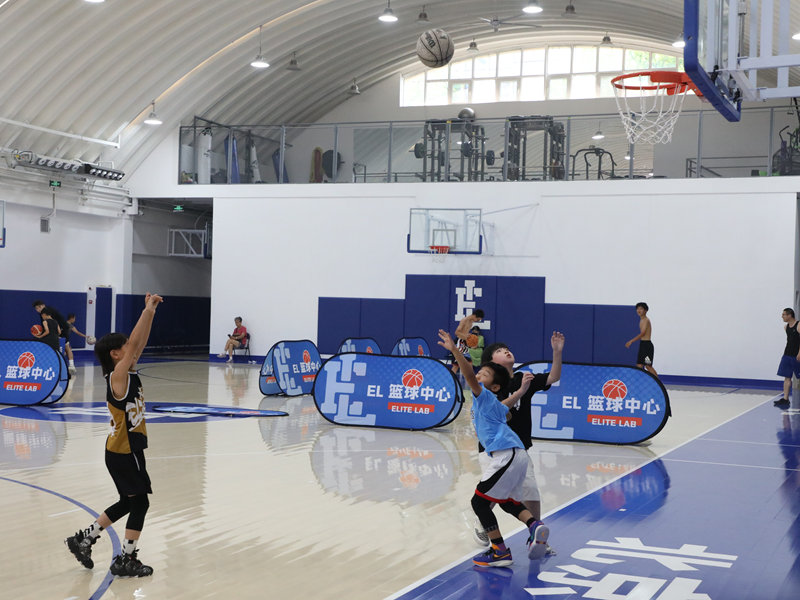
Indoor sports wood flooring is more than just a surface; it's a critical component that can significantly impact an athlete's performance, safety, and overall experience. From its design and installation to the latest innovations in material science, every aspect of sports wood flooring is meticulously crafted to meet the demands of modern athletic facilities. This article takes a closer look at how indoor sports wood flooring enhances athletic performance, exploring its design principles, installation techniques, and cutting-edge innovations.
Design Principles
The design of indoor sports wood flooring is rooted in the principles of biomechanics and ergonomics, aiming to create a surface that supports the natural movements of the human body. The flooring's resilience, or its ability to absorb shock and return energy, is a key design feature that reduces the impact on joints and muscles during high-intensity activities. This is achieved through the use of specialized subfloor systems that incorporate shock-absorbing materials, such as rubber pads or springs, which distribute weight evenly and minimize vibrations.
Another important design consideration is the flooring's surface texture. A non-slip finish is essential to provide athletes with the necessary grip to execute quick movements and turns without losing balance. The texture should be fine enough to prevent slipping but not so rough that it causes discomfort or abrasions. Additionally, the color and pattern of the flooring can also play a role in enhancing visibility and reducing glare, which is particularly important in fast-paced sports like basketball and volleyball.
Installation Techniques
The installation of indoor sports wood flooring is a complex process that requires precision and expertise. The first step involves preparing the subfloor, ensuring that it is level, clean, and free of any defects that could affect the performance of the flooring. Next, the wood planks are laid out in a specific pattern, often following the direction of the grain to maximize stability and durability. The planks are then secured to the subfloor using nails or adhesives, depending on the type of flooring and the manufacturer's recommendations.
One of the most critical aspects of installation is the acclimation process, where the wood planks are allowed to adjust to the temperature and humidity of the facility before installation. This helps prevent the flooring from expanding or contracting after installation, which could lead to gaps or buckling. Additionally, proper ventilation and humidity control are essential during and after installation to maintain the integrity of the wood and prevent moisture-related issues.
Cutting-Edge Innovations
The world of indoor sports wood flooring is constantly evolving, with new innovations emerging to further enhance performance and sustainability. One such innovation is the use of engineered wood flooring, which combines the natural beauty of hardwood with the durability and stability of engineered materials. Engineered wood floors are less prone to warping and cracking than solid wood floors, making them ideal for facilities with fluctuating humidity levels.
Another exciting development is the integration of smart technology into sports wood flooring. Some manufacturers are now offering floors with embedded sensors that can monitor various metrics, such as impact force, player movement, and even heart rate. This data can be used to optimize training programs, prevent injuries, and enhance the overall athletic experience. Additionally, smart flooring can also help facility managers monitor the condition of the flooring in real-time, allowing for proactive maintenance and repairs.
In conclusion, indoor sports wood flooring is a sophisticated and highly engineered product that plays a vital role in enhancing athletic performance. By adhering to sound design principles, employing precise installation techniques, and embracing cutting-edge innovations, facility managers can create a playing surface that not only meets the demands of modern athletes but also exceeds their expectations.
Leave a Reply