

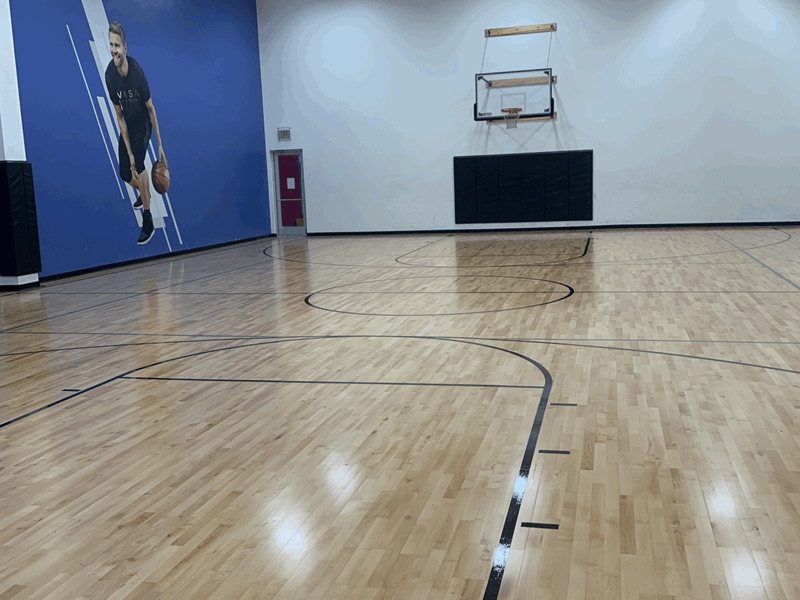
When choosing the flooring material for an indoor basketball court, there are several options available besides wood. Each material has its own set of advantages and disadvantages, and a comparison can help in making an informed decision.
One alternative to wood flooring is synthetic materials, such as vinyl or rubber. Synthetic floors are often more affordable than wood and can be easier to install and maintain. They are also resistant to moisture, which can be an advantage in areas with high humidity. However, synthetic floors may not offer the same level of shock absorption as wood, which can increase the risk of injuries for players. Additionally, the ball bounce on synthetic surfaces may not be as consistent as on wood, affecting ball control and game play.
Another option is concrete flooring. Concrete is extremely durable and can withstand heavy use. It is also relatively inexpensive compared to wood. However, concrete provides very little shock absorption, making it a poor choice for basketball courts where player safety is a concern. The hard surface of concrete can also cause discomfort for players during long periods of play and may lead to more fatigue and injuries.
Carpet is another material that has been used in some indoor basketball courts, although it is less common today. Carpet offers a soft surface that can provide some shock absorption, but it is not suitable for high - intensity basketball games. The fibers of the carpet can interfere with the ball bounce and make it difficult for players to move quickly and change direction. Carpet also requires more frequent cleaning and maintenance compared to wood.
In comparison, wood flooring offers a good balance of shock absorption, ball control, durability, and aesthetic appeal. While it may be more expensive than some alternative materials, its long - term performance and the benefits it provides to players make it a worthwhile investment for most indoor basketball courts.
Leave a Reply