

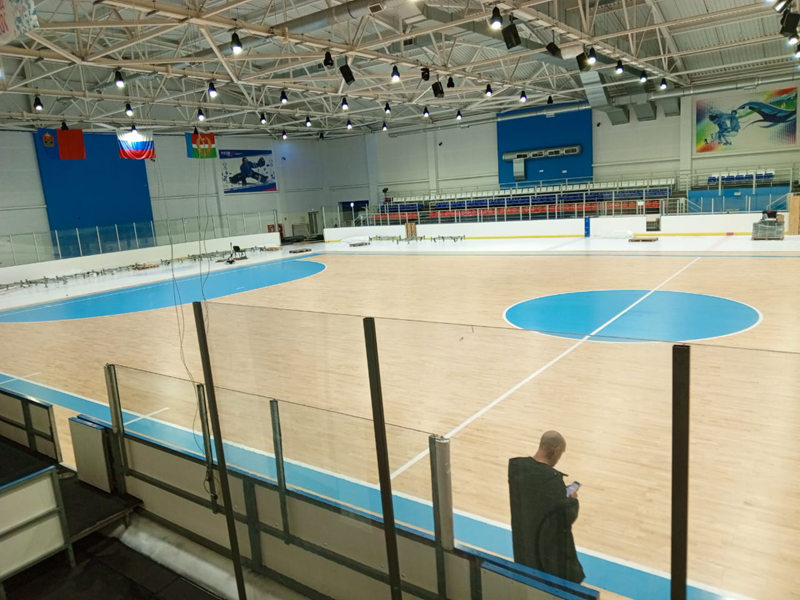
When it comes to choosing the right flooring for sports facilities, there are several options available, each with its own set of advantages and disadvantages. In this article, we will compare sports wood flooring to other popular flooring options, such as synthetic sports floors, rubber flooring, and concrete, to help you make an informed decision.
Sports Wood Flooring vs. Synthetic Sports Floors:
Synthetic sports floors, such as vinyl or rubberized surfaces, are often chosen for their durability and ease of maintenance. However, they may not offer the same level of shock absorption and responsiveness as sports wood flooring. Synthetic floors can feel harder and less forgiving underfoot, which may increase the risk of injury for athletes, especially during high-impact activities. Additionally, synthetic floors may not provide the same aesthetic appeal as natural wood, lacking the warmth and character that many sports enthusiasts appreciate.
Sports Wood Flooring vs. Rubber Flooring:
Rubber flooring is another popular option for sports facilities, particularly in areas where shock absorption and slip resistance are critical, such as weight rooms or aerobic studios. While rubber flooring offers excellent cushioning and traction, it may not be suitable for all sports activities. Its softer surface can make it difficult for athletes to maintain their balance and agility during quick movements or turns. Additionally, rubber flooring may not have the same durability and longevity as sports wood flooring, requiring more frequent replacements or repairs over time.
Sports Wood Flooring vs. Concrete:
Concrete is a durable and cost-effective flooring option that is often used in outdoor sports facilities or areas where heavy equipment is stored. However, concrete is extremely hard and unforgiving, offering little to no shock absorption or cushioning for athletes. This can increase the risk of injury, particularly during high-impact activities or falls. Additionally, concrete floors can be cold and uncomfortable to stand or train on for extended periods, which may affect athletes' performance and comfort levels.
Advantages of Sports Wood Flooring:
In comparison to these other flooring options, sports wood flooring offers several key advantages. Its specialized subflooring system provides superior shock absorption and responsiveness, reducing the risk of injury and enhancing athletes' performance. The natural wood grain pattern and warm tones of sports wood flooring create a visually appealing and inviting environment that encourages participation and fosters a sense of community. Additionally, sports wood flooring is relatively easy to maintain and keep clean, with specialized coatings providing protection against scratches, stains, and moisture damage.
In conclusion, while there are several flooring options available for sports facilities, sports wood flooring stands out for its superior shock absorption, responsiveness, aesthetic appeal, and ease of maintenance. By choosing sports wood flooring, facilities can provide a high-quality, safe, and enjoyable environment for athletes to compete and train in.
Leave a Reply