

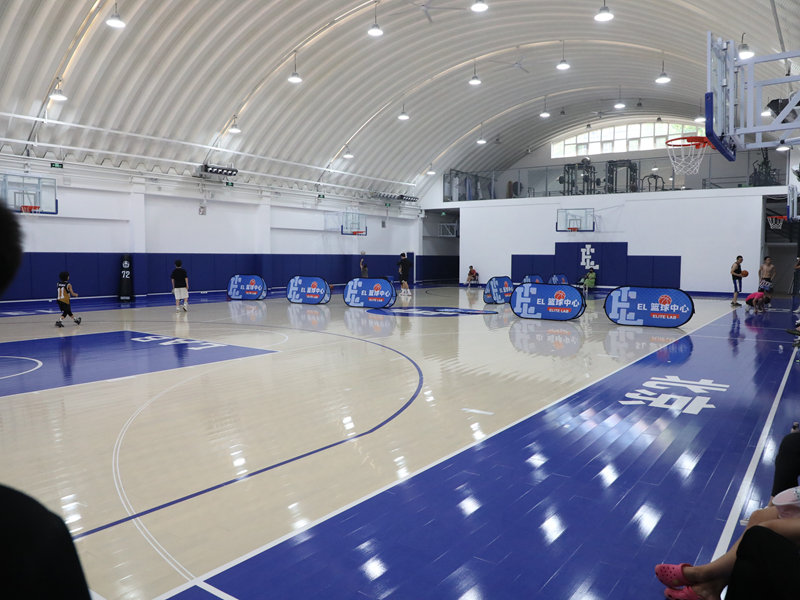
When it comes to selecting wood flooring for an indoor basketball court, there are several different types of wood to choose from, each with its own unique characteristics and benefits. Understanding the differences between these types of wood can help you make an informed decision that aligns with your specific needs and preferences. Here's a comparison of some of the most common types of wood flooring used in indoor basketball courts.
Maple is one of the most popular choices for basketball court flooring due to its hardness, durability, and resistance to wear and tear. Maple has a tight grain pattern and a uniform texture that provides a smooth and consistent playing surface, enhancing ball bounce and player movement. Its natural light color and ability to take on a high-gloss finish make it an attractive option for those looking to create a professional-looking court. Maple is also relatively easy to maintain and can withstand the rigors of regular use without showing significant signs of wear.
Oak is another common choice for basketball court flooring, offering similar durability and performance characteristics to maple but with a slightly different aesthetic. Oak has a more pronounced grain pattern and a warmer, richer color that can add a touch of elegance to any basketball court. While oak may not be as hard as maple, it still provides a reliable and long-lasting playing surface that can withstand the demands of basketball. Oak flooring can also be finished in a variety of sheens to match your preferences and create a customized look for your court.
Birch is a less common but still viable option for basketball court flooring. Birch has a lighter color and a more subtle grain pattern compared to maple and oak, making it a good choice for those looking for a more understated aesthetic. While birch may not be as hard or durable as maple or oak, it can still provide a reliable playing surface when properly maintained. Birch flooring is also relatively affordable, making it a cost-effective option for those on a budget.
Ash is another type of wood that is sometimes used for basketball court flooring, although it is less common than maple, oak, or birch. Ash has a light color and a straight grain pattern that provides a smooth and consistent playing surface. It is also relatively hard and durable, making it suitable for high-traffic areas like basketball courts. However, ash may be more prone to splitting or cracking compared to other types of wood, so it requires careful maintenance and inspection to ensure its longevity.
When comparing different types of wood flooring for indoor basketball courts, it's also important to consider factors such as cost, availability, and environmental impact. Maple and oak are generally more expensive than birch or ash, but they offer superior durability and performance characteristics that may justify the additional cost. Additionally, many modern wood flooring options are made from sustainably sourced materials, ensuring that the environmental footprint is minimized.
In conclusion, when selecting wood flooring for an indoor basketball court, it's essential to consider the characteristics of each type of wood, including hardness, durability, aesthetic appeal, cost, availability, and environmental impact. By understanding these differences and aligning them with your specific needs and preferences, you can choose the right type of wood flooring that will provide a safe, high-performing, and aesthetically pleasing playing environment for years to come.
Leave a Reply