

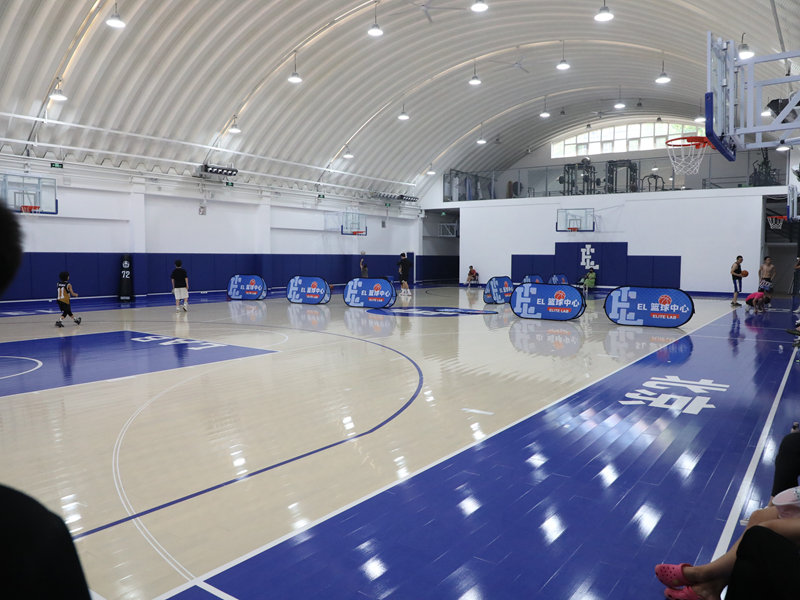
There are several types of sports wood flooring available, each with its own set of pros and cons. Understanding these differences can help sports facilities choose the right flooring for their needs. Here's a comparison of some common types of sports wood flooring:
- Solid Hardwood Flooring: Solid hardwood flooring is made from a single piece of wood and offers a classic, elegant look. It is durable and can be refinished multiple times. However, it is also more susceptible to moisture damage and may require more maintenance than other types of flooring.
- Engineered Wood Flooring: Engineered wood flooring consists of multiple layers of wood veneer glued together. It is more stable than solid hardwood and less prone to moisture damage. However, it may not be as durable as solid hardwood and cannot be refinished as many times.
- Laminate Flooring: Laminate flooring is a synthetic product that mimics the look of wood. It is affordable, easy to install, and resistant to moisture and scratches. However, it lacks the warmth and authenticity of real wood and may not provide the same level of shock absorption.
- Vinyl Flooring: Vinyl flooring is another synthetic option that is highly durable and resistant to moisture. It is available in a variety of designs, including wood-look patterns. However, it may not offer the same level of traction or shock absorption as real wood flooring.
When choosing sports wood flooring, it's important to consider factors such as durability, maintenance requirements, cost, and aesthetic appeal. Each type of flooring has its own strengths and weaknesses, and the right choice will depend on the specific needs of the sports facility.
Leave a Reply