

Introduction
Selecting the appropriate wood for indoor basketball court flooring is a crucial decision that affects the performance, safety, and aesthetics of the playing surface. With various wood species available, understanding their characteristics and benefits is essential for making an informed choice.
Maple Wood: The Industry Standard
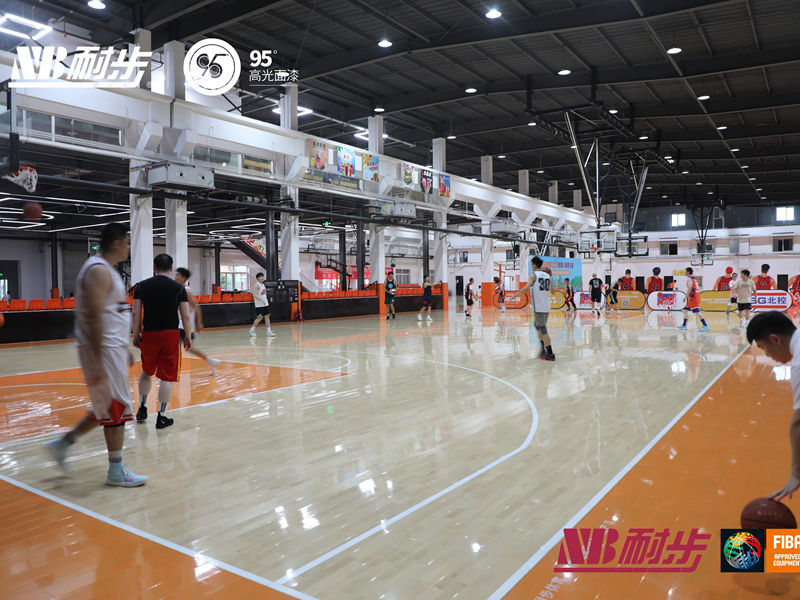
Maple wood is widely regarded as the industry standard for indoor basketball court flooring. Its hardness, durability, and resistance to wear make it an ideal choice for high-traffic areas. Maple's fine grain and uniform texture provide a consistent playing surface, ensuring predictable ball bounce and excellent traction. Additionally, maple's natural light color enhances the visibility of court markings and lines.
Oak Wood: A Durable Alternative
Oak wood is another viable option for indoor basketball court flooring. Known for its strength and durability, oak can withstand heavy use and resist scratches and dents. However, oak's coarser grain and darker color may affect the visibility of court markings and the overall aesthetic appeal. Despite these drawbacks, oak remains a popular choice for facilities seeking a robust and long-lasting flooring solution.
Birch Wood: A Cost-Effective Option
Birch wood offers a cost-effective alternative to maple and oak. While not as hard as maple, birch still provides adequate durability and performance for indoor basketball courts. Its lighter color and finer grain can create a visually appealing surface, although it may require more frequent maintenance to keep it looking its best.
Environmental Considerations
When choosing wood for indoor basketball court flooring, environmental considerations are also important. Sustainably sourced wood, certified by organizations such as the Forest Stewardship Council (FSC), ensures that the wood is harvested responsibly and minimizes the environmental impact. Additionally, using locally sourced wood can reduce transportation costs and carbon emissions.
Conclusion
Choosing the right wood for indoor basketball court flooring requires careful consideration of factors such as durability, performance, aesthetics, and environmental impact. Maple remains the industry standard due to its superior characteristics, but oak and birch offer viable alternatives depending on the specific needs and budget of the facility. By selecting the appropriate wood and ensuring proper maintenance, indoor basketball courts can provide a safe, high-performance, and visually appealing playing surface for years to come.
Leave a Reply