
Category: Uncategorized
-
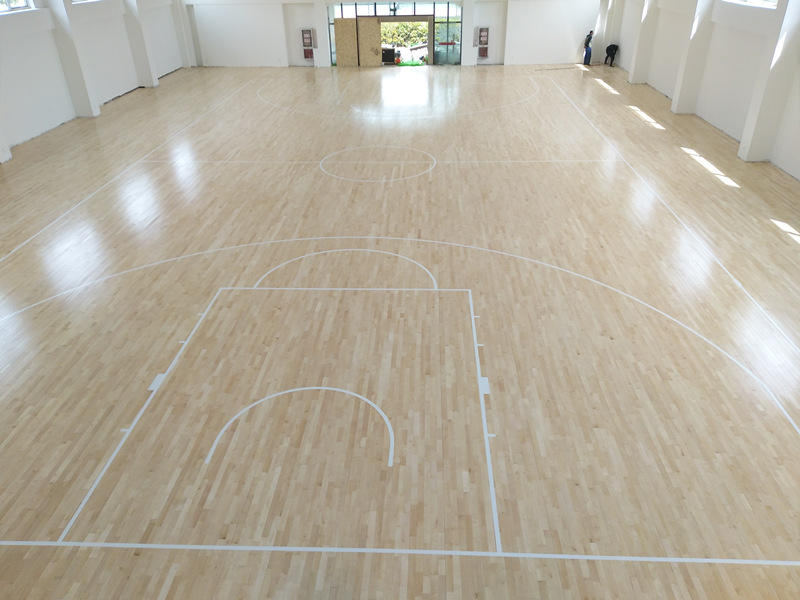
Maple vs. Oak: Choosing the Right Wood for Your Sports Floor
Maple’s fine grain and uniform texture make it ideal for basketball, offering consistent ball bounce. Oak, denser and more durable, suits high-traffic areas like…
-
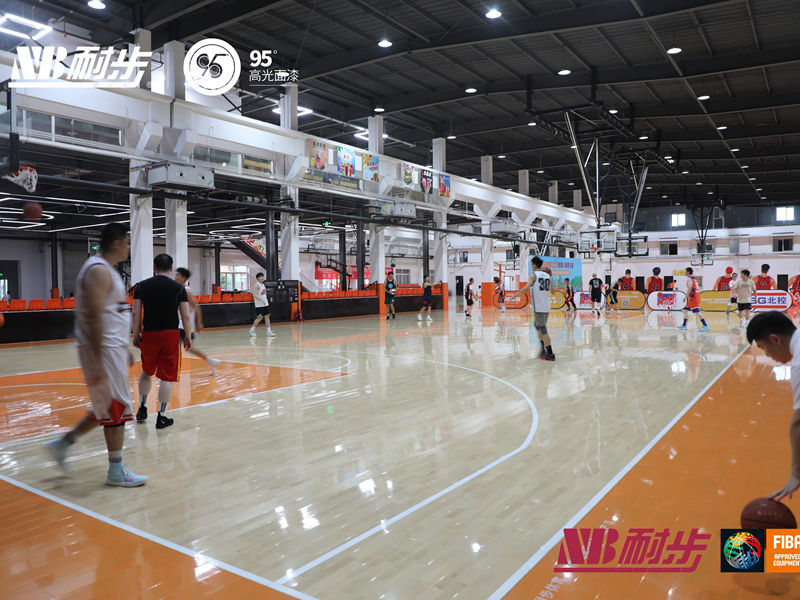
Key Features of High-Performance Sports Wood Flooring
A top-tier sports floor must balance shock absorption (≥53% per DIN 18032-2), vertical deformation (2.3-5mm), and ball rebound (≥90%). Subfloor systems—fixed, resilient, or floating—dictate…
-
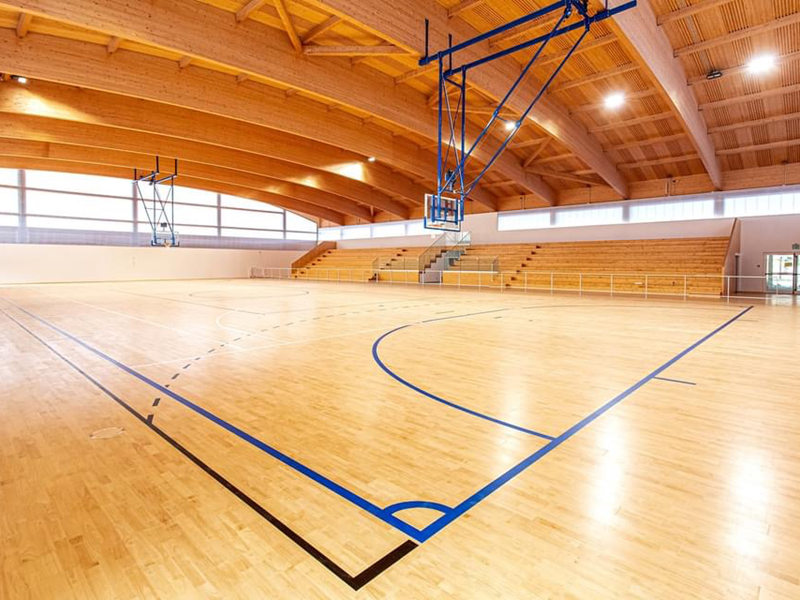
The Evolution of Sports Wood Flooring: From Ancient Arenas to Modern Gymnasiums
Sports wood flooring has come a long way since ancient Rome’s wooden amphitheaters. Modern systems now prioritize shock absorption, ball bounce, and player safety.…
-
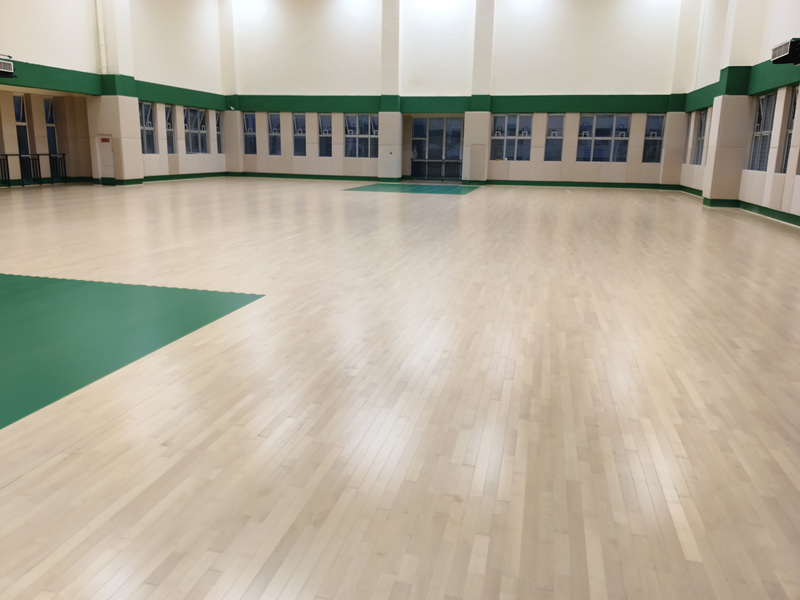
Innovations in Portable Wood Flooring for Esports Events
Modern portable floors now integrate LED lighting and wireless charging, catering to esports tournaments. Lightweight hybrid materials (wood + composite cores) maintain performance while…
-
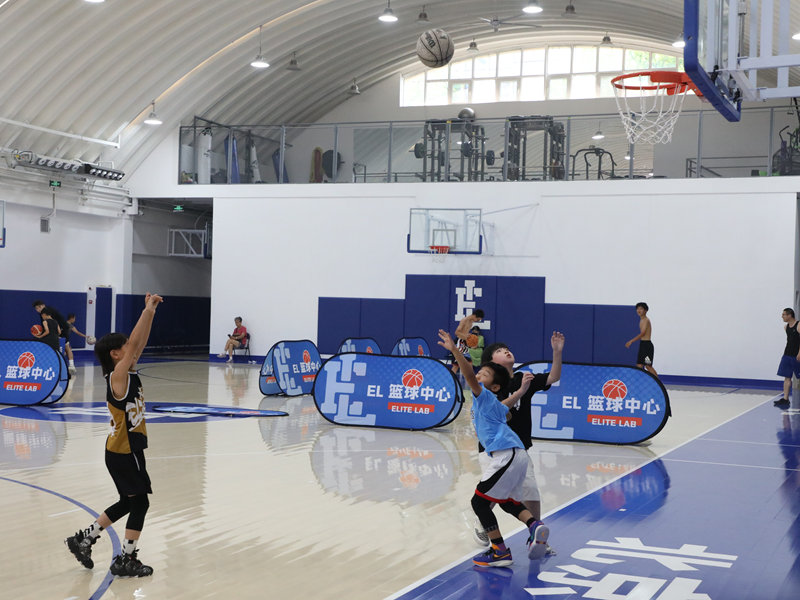
Why Badminton Halls Prefer Wood Over Synthetic Floors
Wood provides the perfect balance of grip and slide for badminton players. Its shock absorption reduces leg strain during jumps, while synthetic surfaces may…
-
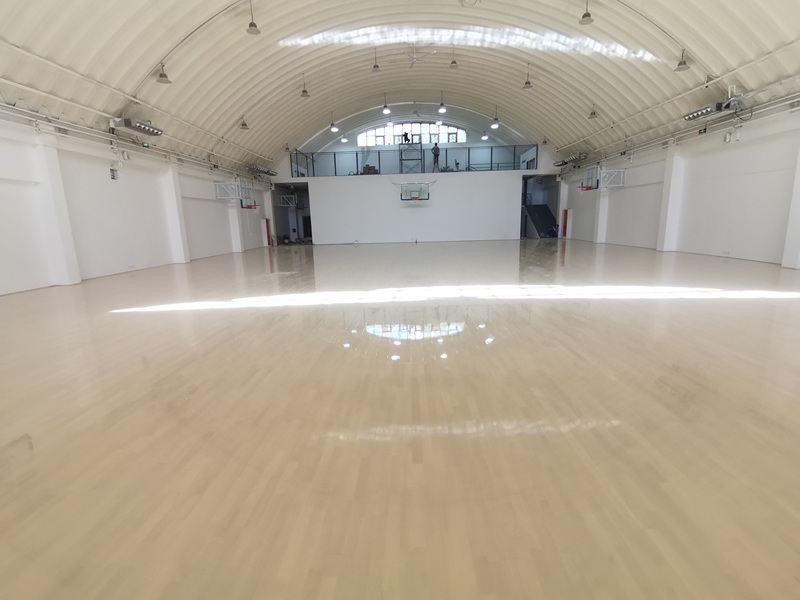
The Drawbacks of Wood Flooring for High-Traffic Gyms
Wood floors can scratch under heavy equipment or cleats. Daily maintenance (cleaning, humidity control) is essential. In humid regions, warping risks may require costly…
-
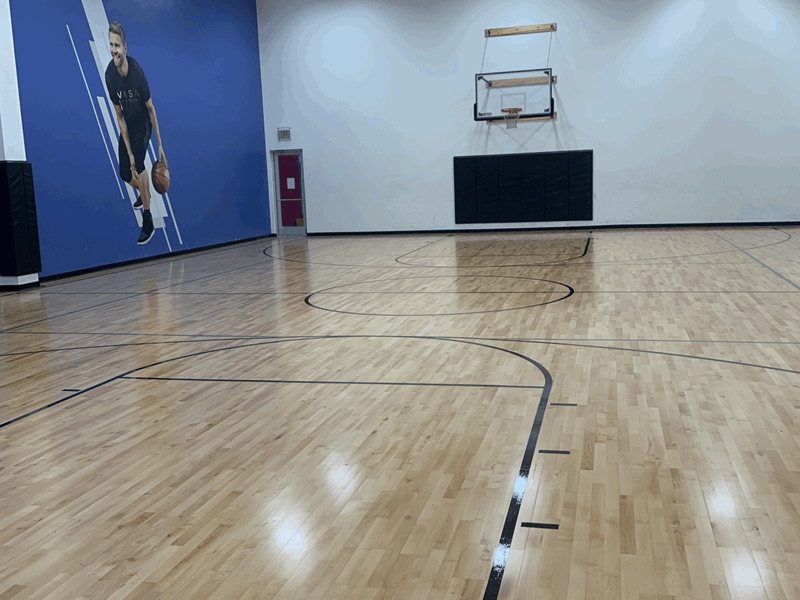
The Environmental Impact of Sports Wood Flooring
FSC-certified wood ensures sustainable sourcing. Bamboo floors, a fast-growing alternative, offer similar hardness with lower environmental costs. However, some finishes may contain VOCs—water-based coatings…
-
How Wood Flooring Enhances Performance in Volleyball
Volleyball demands floors with shock absorption to protect players from knee stress. Wood’s natural elasticity, combined with padded underlays, reduces impact by up to…
-
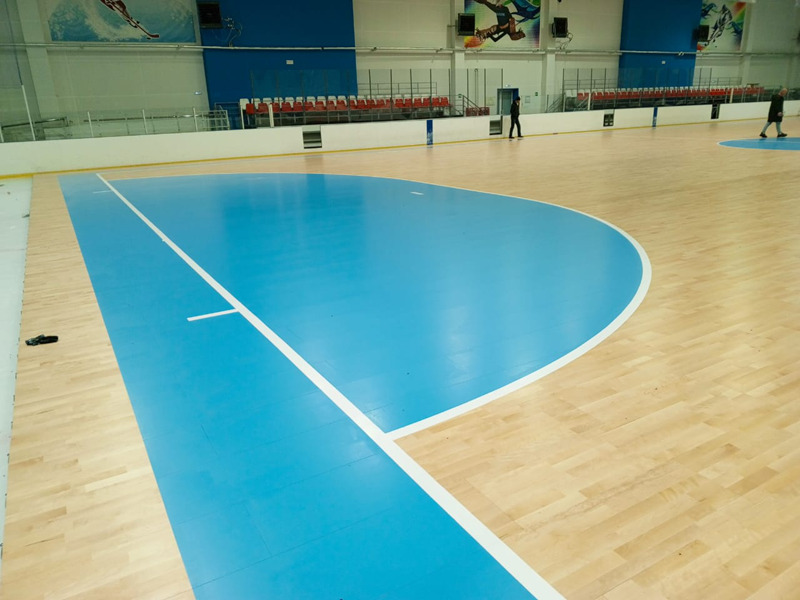
Portable vs. Permanent Wood Floors: Which is Better for Tournaments?
Portable floors excel in versatility for one-off events, but permanent floors offer unmatched stability for regular use. Portable options may have slight gaps between…
-
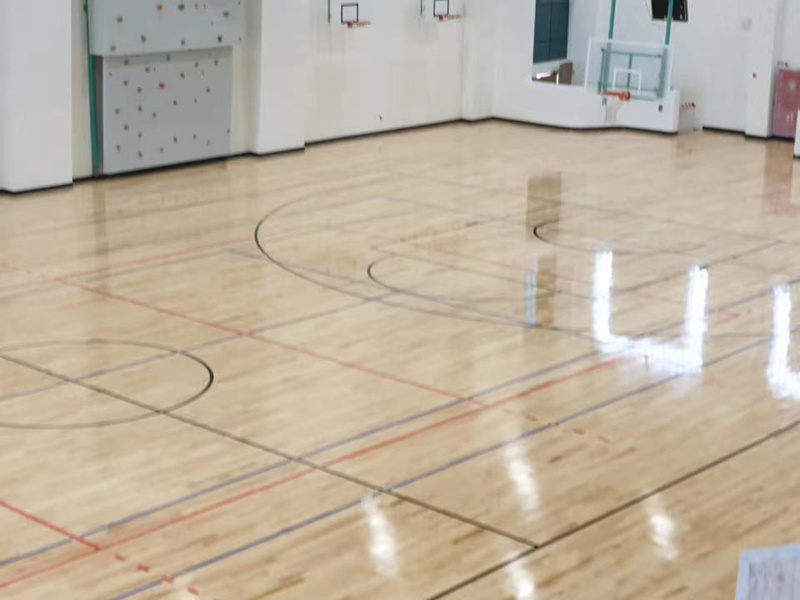
The Advantages and Disadvantages of Engineered Wood Sports Floors
Pros: Engineered wood resists humidity-induced warping, making it suitable for variable climates. It’s also cost-effective. Cons: The top veneer layer limits sanding次数 (typically 2–3…